
Check sentiment before checkout
See whether people are excited, skeptical, disappointed, amused, or warning others before you rely on the star average alone.
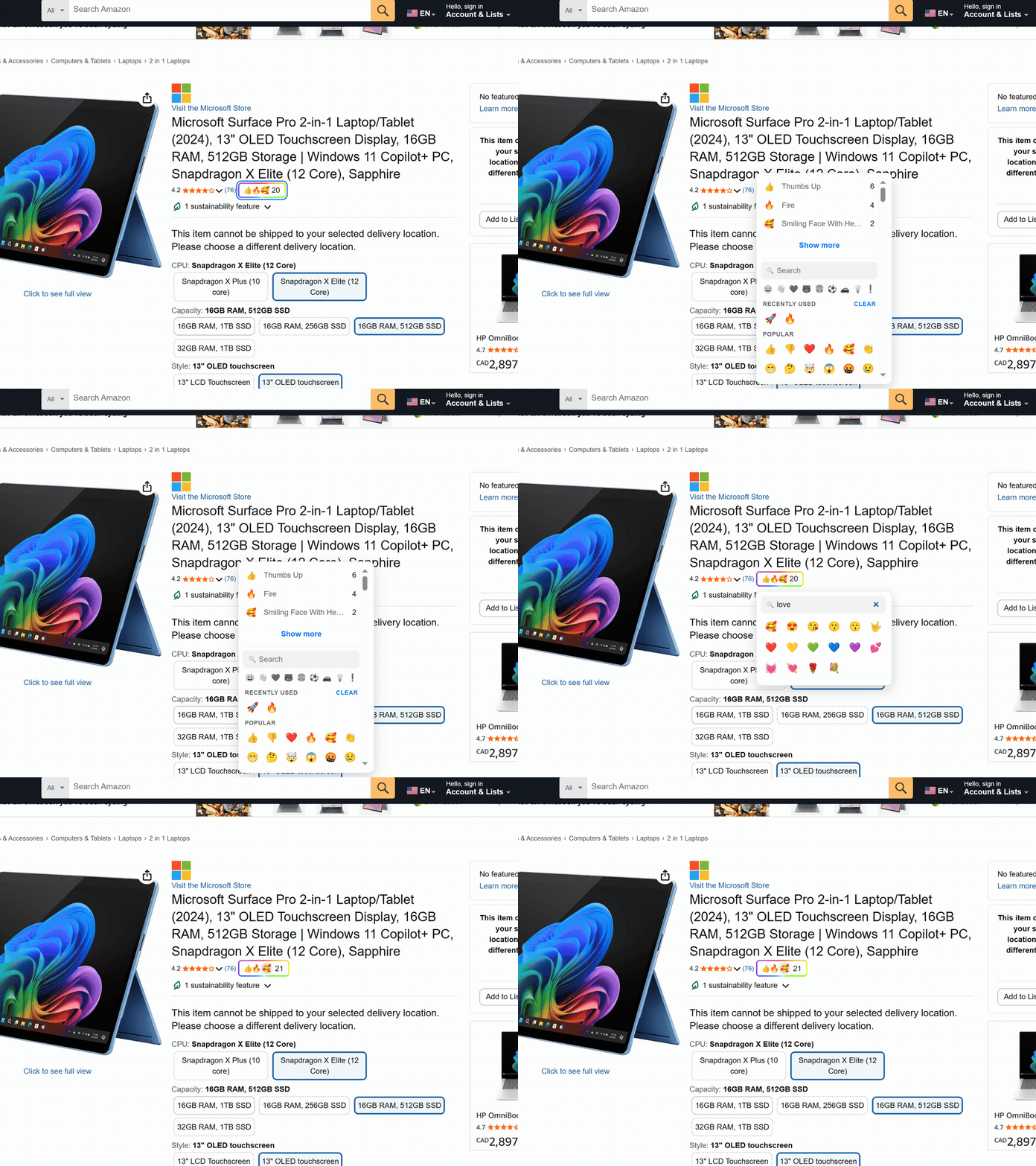
See whether people are excited, skeptical, disappointed, amused, or warning others before you rely on the star average alone.
Leave a fast public signal when a long marketplace review is too much but a reaction still helps future shoppers.
Use the same emoji vocabulary across product pages to spot which listing has more trust, doubt, or buyer enthusiasm.
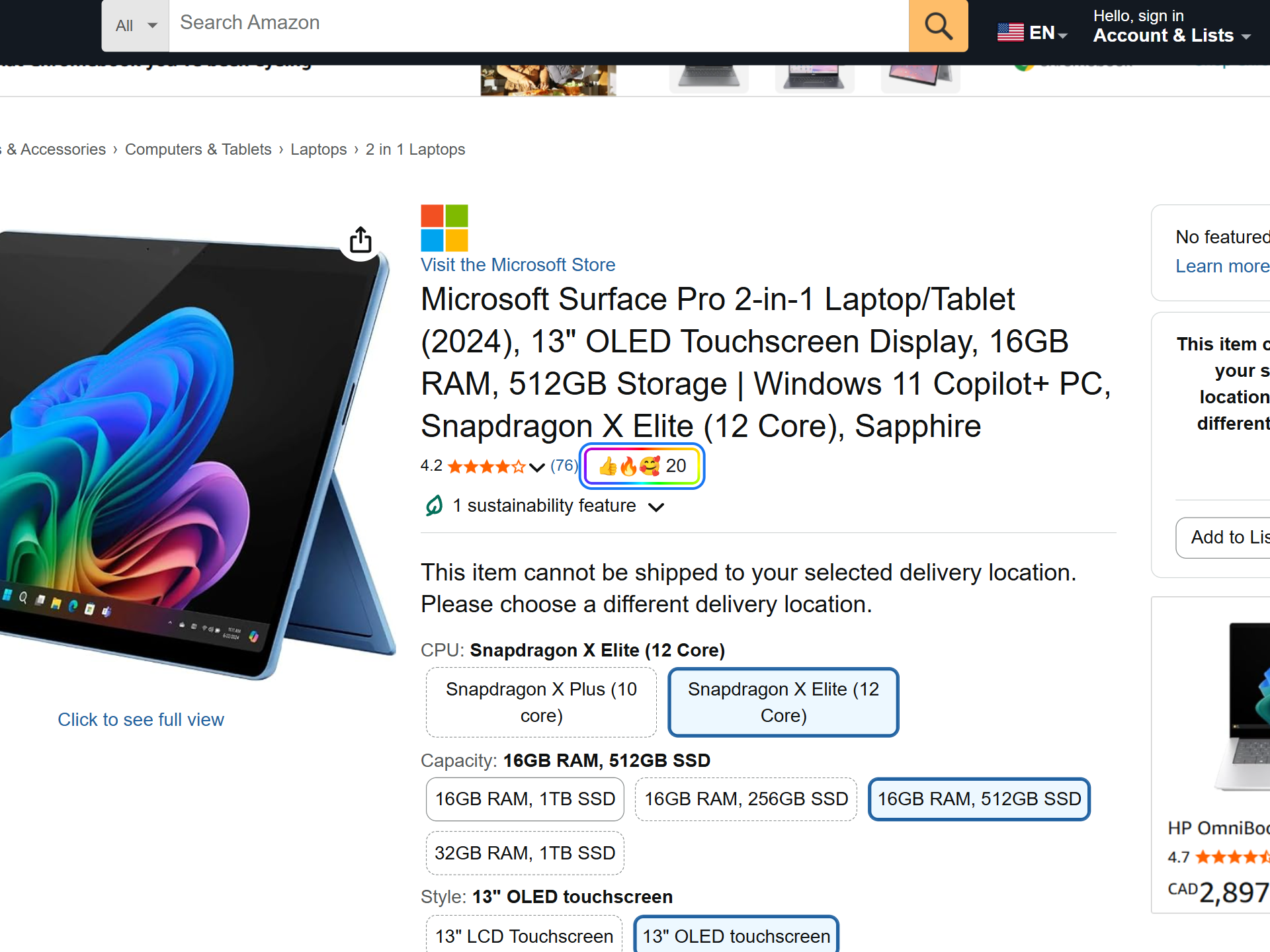
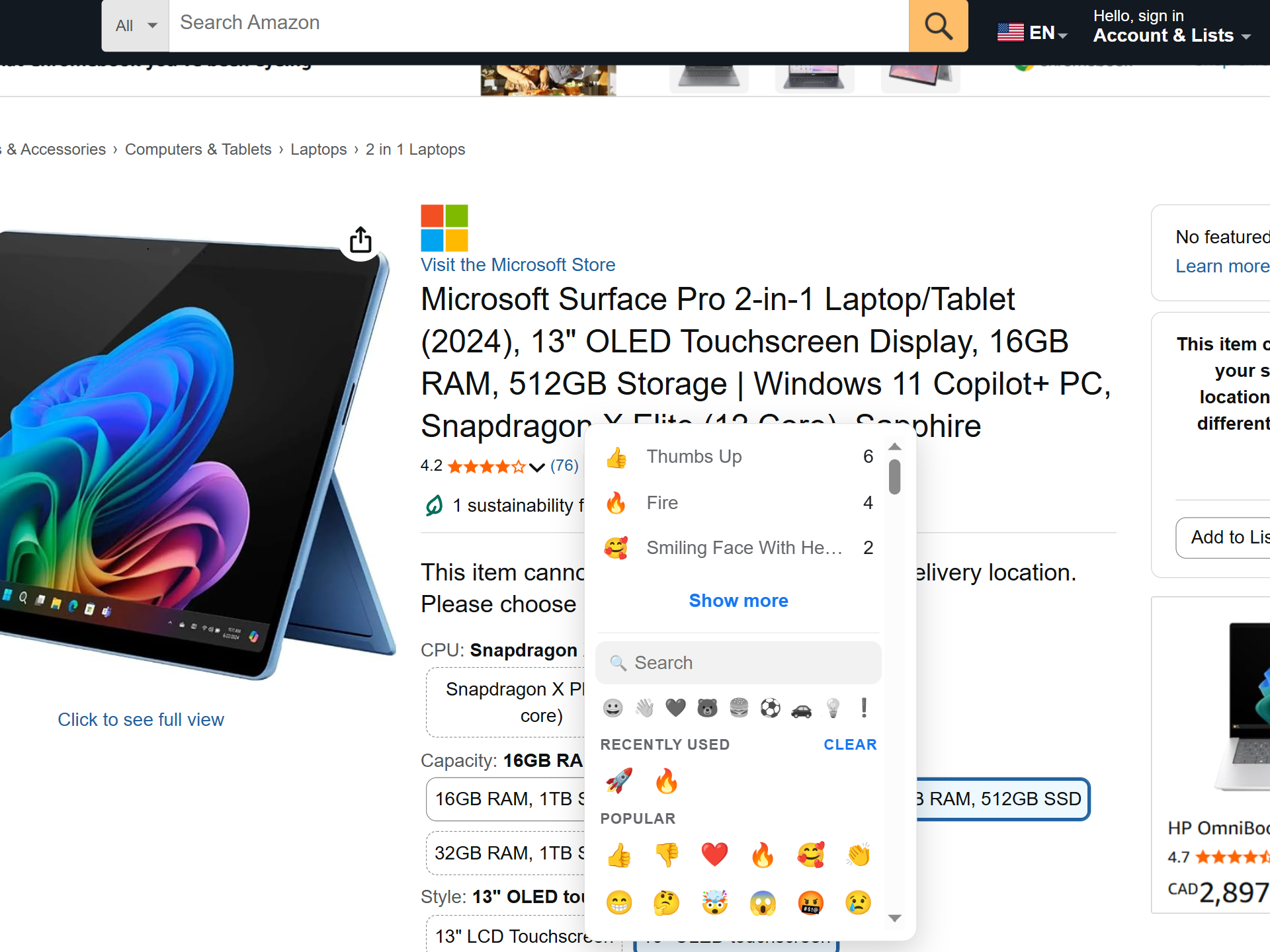
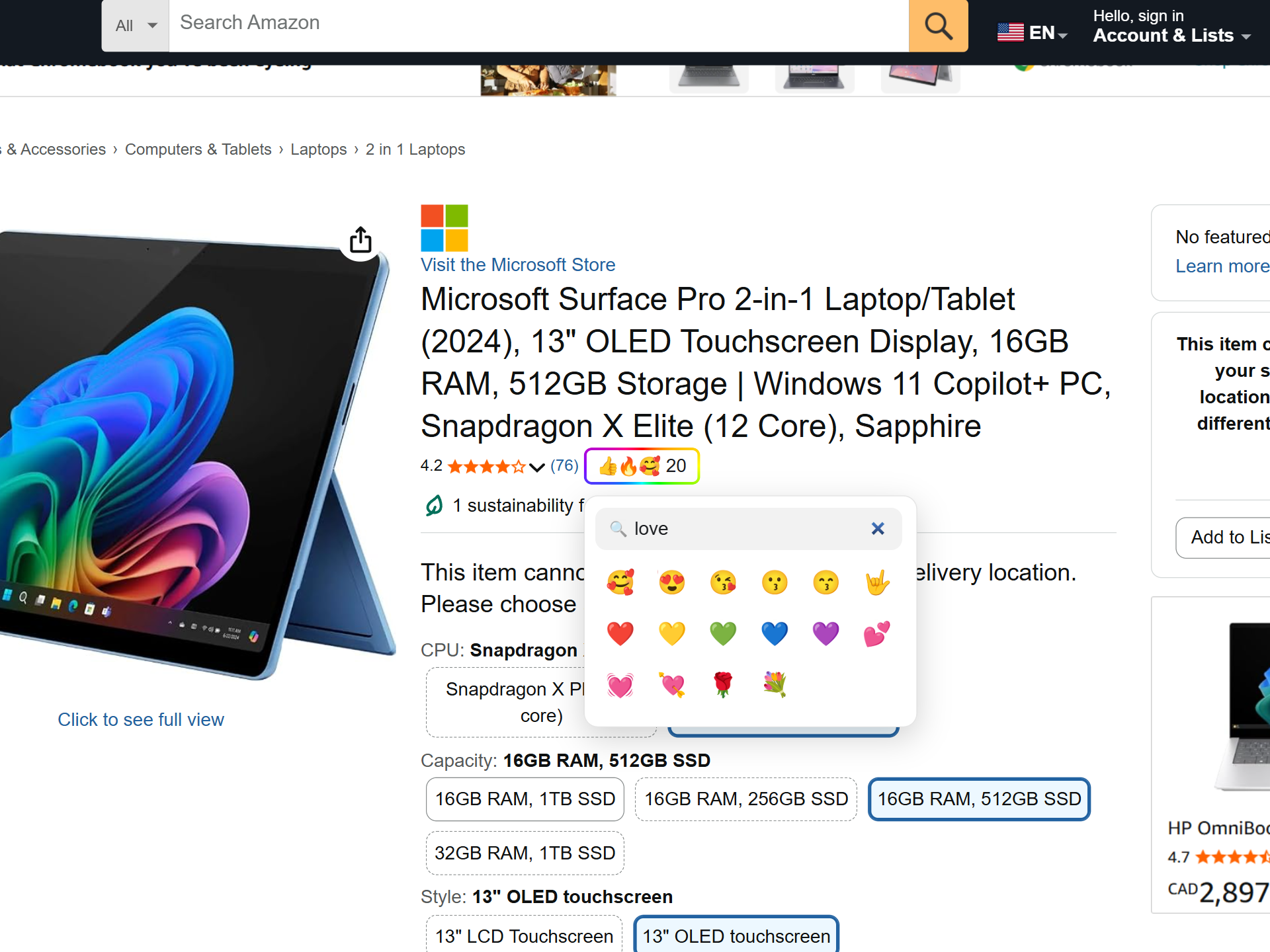
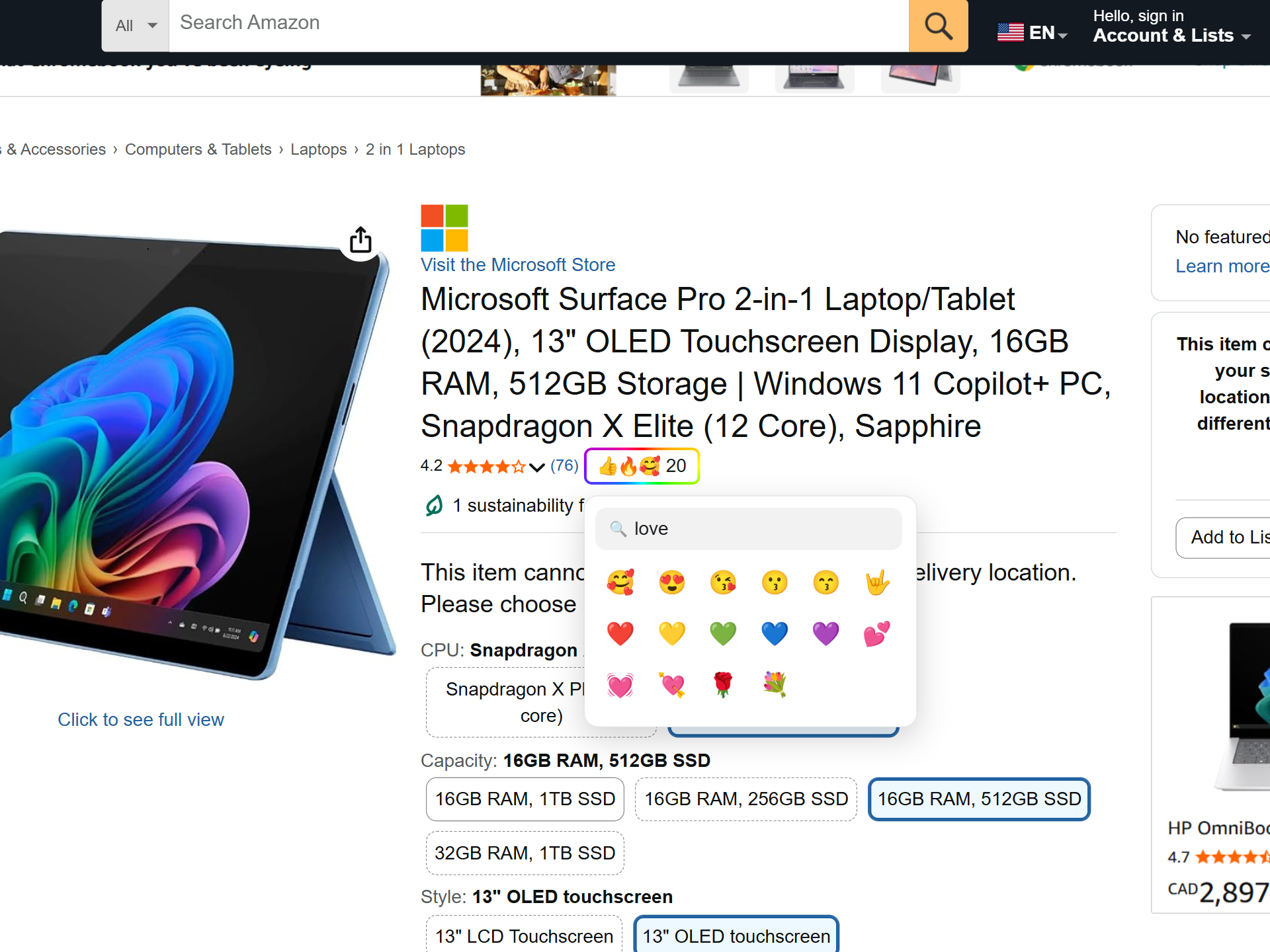
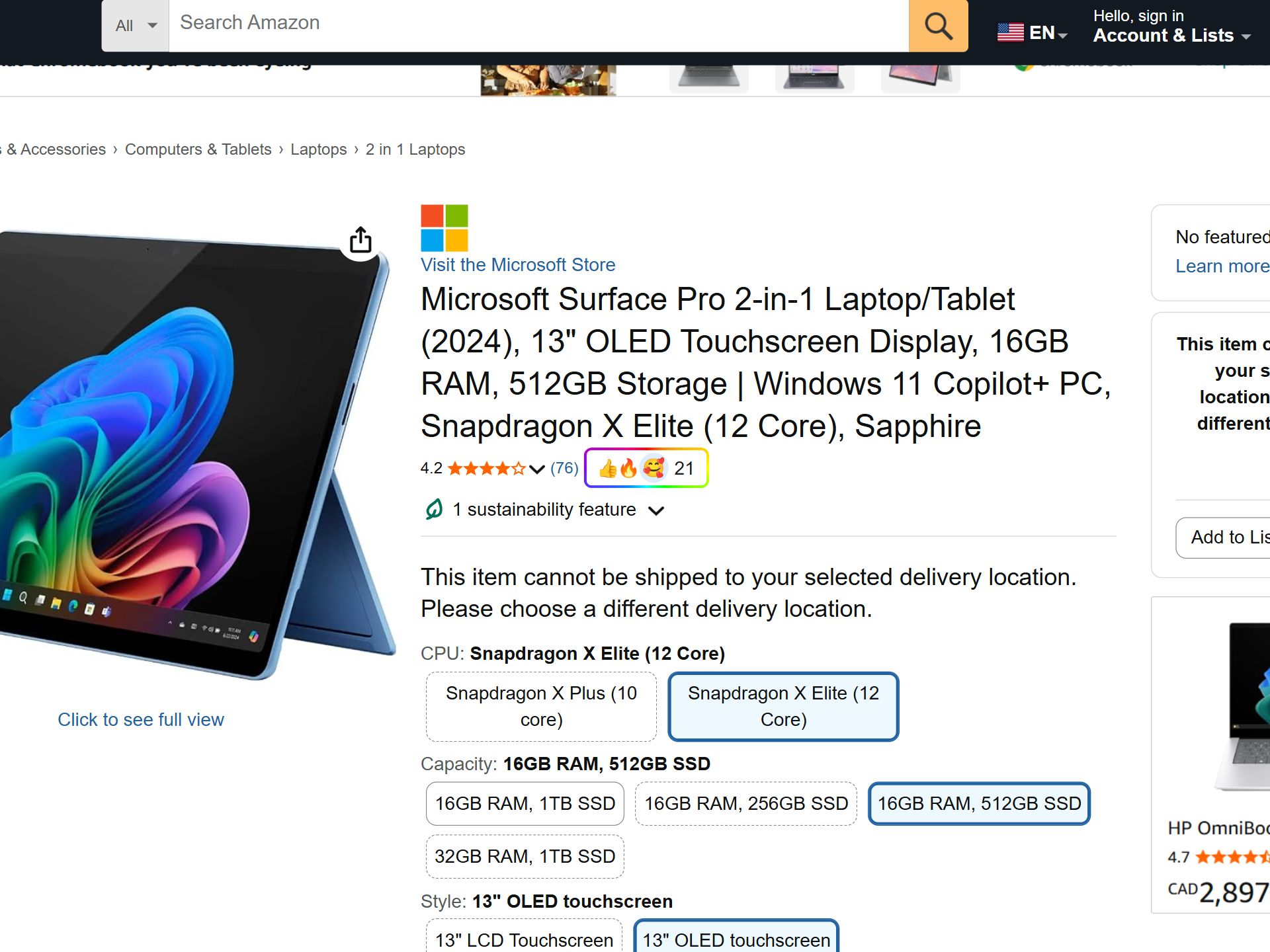
A product can average four stars while still leaving shoppers with very different reactions. Some buyers think it is excellent for the price. Others think it is overhyped, fragile, suspicious, funny, disappointing, or useful only for a very specific case. A single rating average does not show that texture.
Web Reactions gives people a lightweight way to express that texture without writing a full review. The result is a public reaction strip that can show which emotions or judgments are gathering around the product.
Web Reactions does not score review authenticity, rank sellers, summarize comments, or replace Amazon reviews. It is a separate layer for fast reactions on the product page itself. Use it as one more signal, not as the only reason to buy or skip something.
The extension derives the product target from the Amazon product URL and ASIN. That lets the reaction layer follow the product page instead of a search result, sponsored placement, or page layout detail. When the product page has a rating block, Web Reactions appears near that shopping signal; if the rating block is missing, it falls back to a nearby product or buy-box area.
Web Reactions runs on Amazon's twelve regional storefronts today: the US (amazon.com), UK (amazon.co.uk), Germany (amazon.de), France (amazon.fr), Italy (amazon.it), Spain (amazon.es), Canada (amazon.ca), Australia (amazon.com.au), Japan (amazon.co.jp), India (amazon.in), Brazil (amazon.com.br), and Mexico (amazon.com.mx), plus the legacy Smile host (smile.amazon.com). The same reaction model is used across all of them.
You can read Web Reactions counts without signing in to Web Reactions or Amazon. Leaving your own reaction takes one email code in Web Reactions. That makes the reaction count more meaningful than anonymous installs while still keeping public output to aggregate numbers.
A product with a mix of hearts, thumbs up, thinking faces, warning symbols, and disappointed reactions tells a different story from a product with mostly praise. The point is not to reduce everything to another score. The point is to make visible the kind of sentiment that a star average often flattens.
The reaction layer is not owned by the seller or by the marketplace listing. It follows Web Reactions' own UI and counting model, the same one used on repositories, videos, social posts, and other supported targets. That makes the signal easier to understand across sites.
Web Reactions never sees your Amazon account, cart, orders, or browsing history — a reaction is keyed only to the product's public ASIN, not to your shopping session, and reading the counts is anonymous. Leaving one takes a single email verification. The public output is the aggregate emoji count for that product: no list of who reacted, and nothing tied back to a buyer.
Read the full privacy policy.
Install Web Reactions, open a supported Amazon product page, and check the emoji layer before you buy.
No. It does not edit reviews, ratings, seller data, or the product listing. It adds a separate reaction layer in your browser.
For Amazon pages, the extension derives the target from the product ASIN so reactions follow the product rather than a search result or sponsored placement.
No public people list is exposed. The public layer is aggregate emoji counts for the product target.
The same emoji reaction layer — one account, across every supported site.